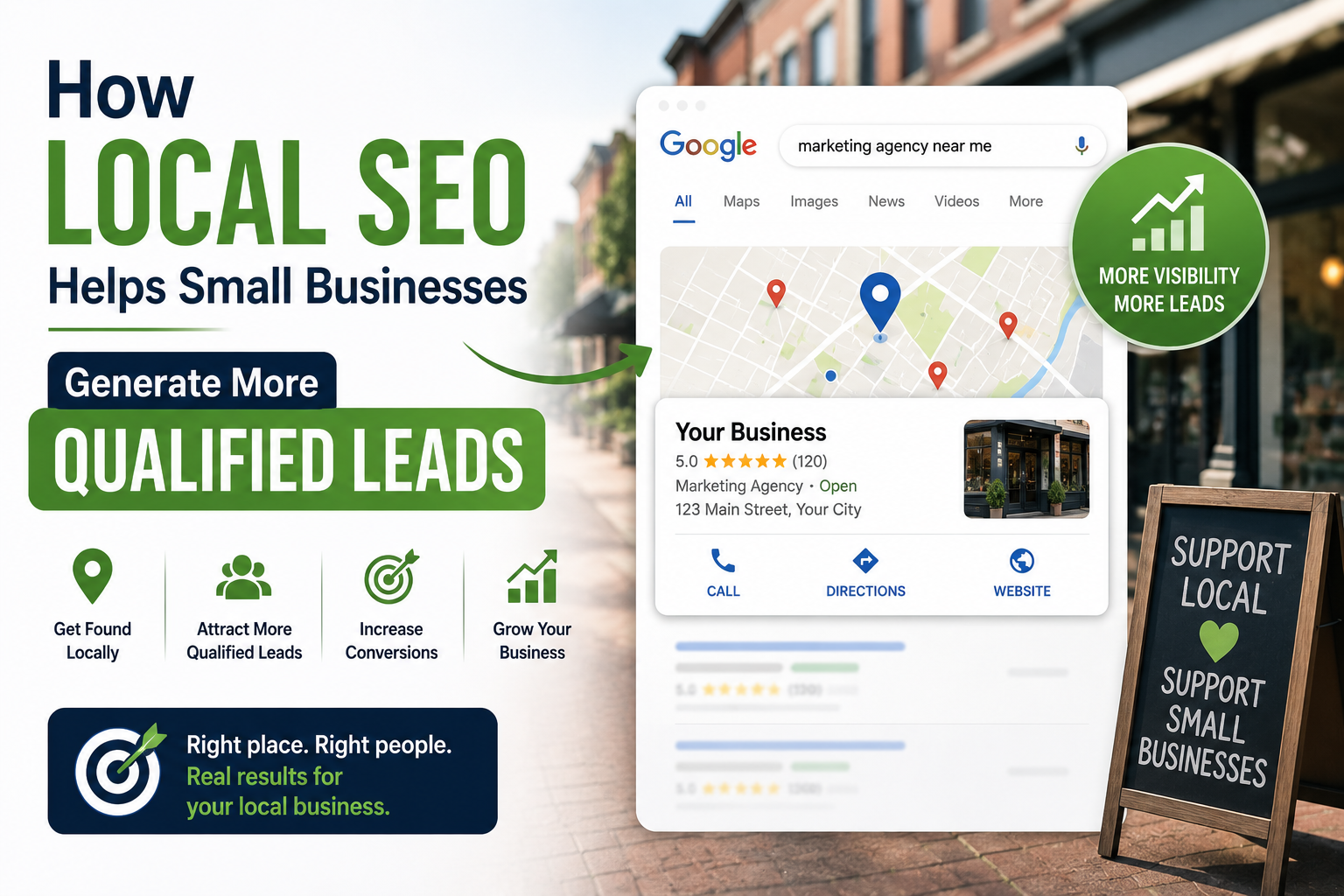
Every single day, hundreds of people in your immediate neighborhood pull out their phones to find a service nearby. They type in a quick phrase, scroll for a second, and click the very first option that pops up. If your storefront isn’t showing up right there, you are simply handing your customers over to the competition down the street. That is why local SEO for small businesses is not just an extra marketing tool anymore. It is the absolute fastest way to convert local online searches into real foot traffic.
At Red Minstrel Marketing, we know you don't have time to waste on useless web stats. You do not need random clicks from people living hundreds of miles away who will never buy from you. What you actually need are real phone calls, direct store visits, and local web leads from buyers standing a few blocks away with their wallets ready. Shifting your focus to a targeted local lookup setup ensures your storefront appears right when people are actively ready to spend money.
Let’s look at how local search marketing actually works, and how tuning your digital footprint can completely change your monthly numbers.
What is Local SEO and Why Does It Drive Real Revenue?
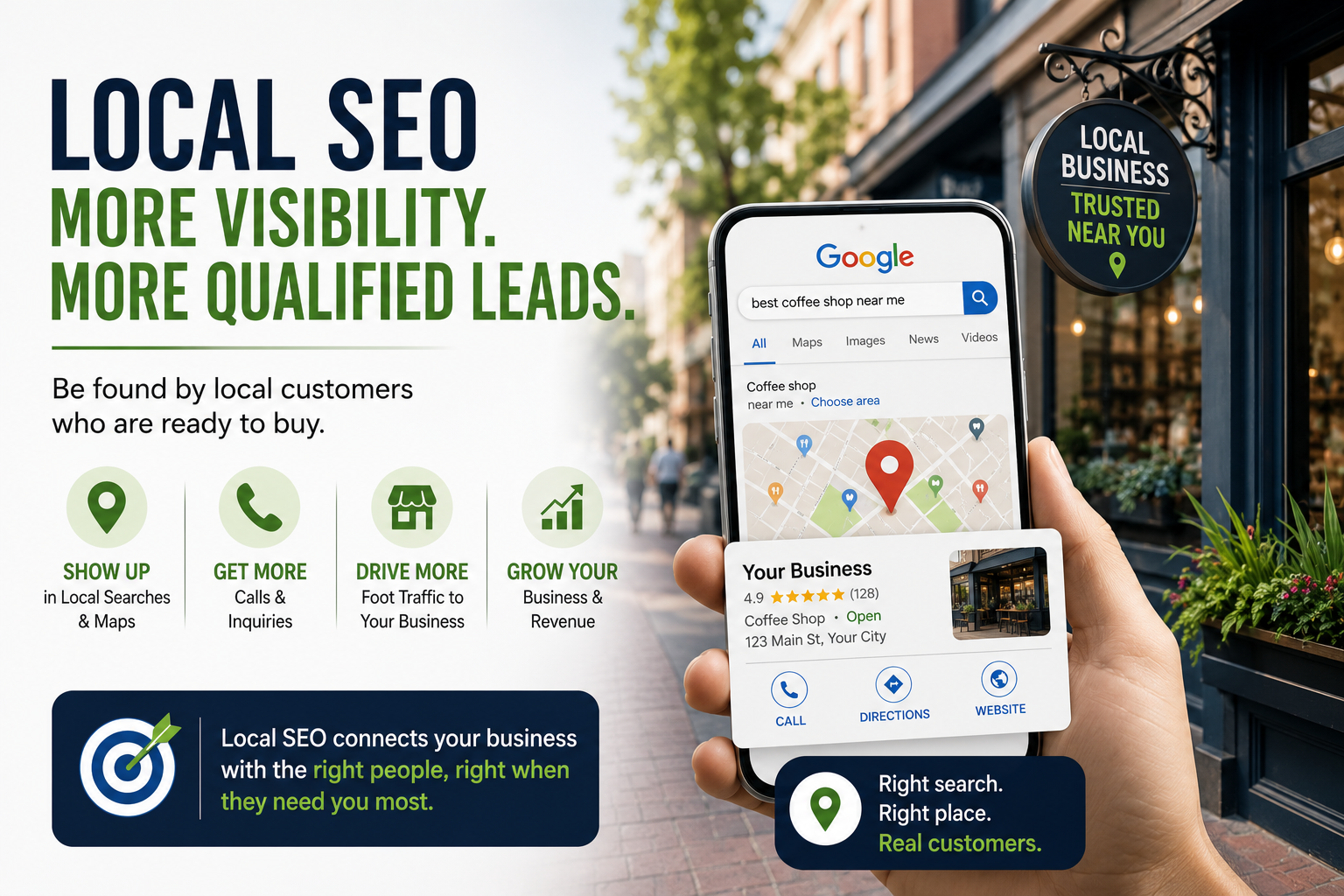
Think of local search marketing as telling search engines exactly where you do business so they can show you to nearby searchers. When Google spots a search query with local intent, its algorithm stops looking for general articles. Instead, it hunts for the most relevant neighborhood businesses. If someone types in "emergency plumber" or "best coffee shop," the system looks closely at how close you are, how prominent your shop is, and what you do to serve up the best choices.
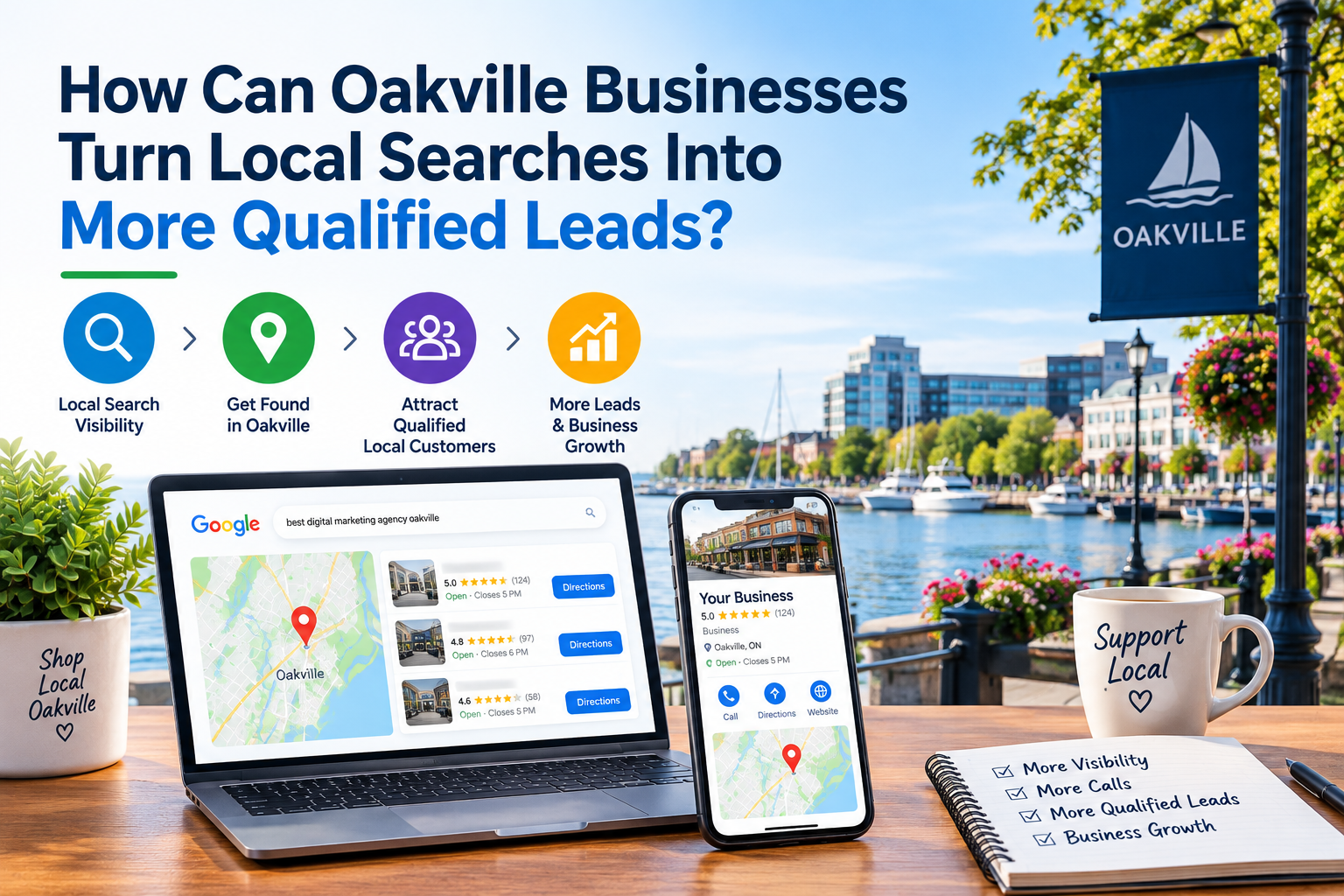
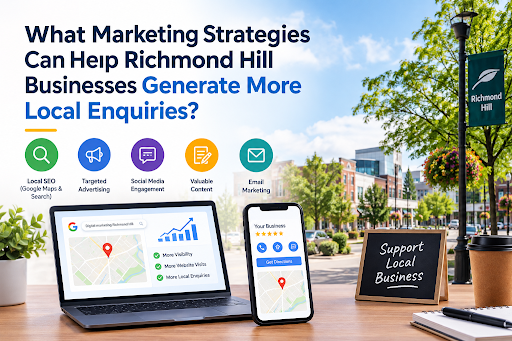
The real jackpot here is landing a spot in the local map pack rankings. This is that clean map box that sits at the absolute top of the Google search screen, right above the traditional website links. Winning a spot in this box gives your small business massive visual real estate on mobile screens. It displays your phone number, opening hours, and address instantly, which means it catches the vast majority of clicks from high-intent consumers who need a fast solution.
The best part about this is that it works as pull marketing. You aren't chasing down random people to pitch your services. Instead, you are catching consumers who are already deep inside the buying funnel. They don’t need to be convinced to buy; they just need to pick a nearby provider they can trust. When you optimize your digital presence correctly, you make your business the easiest choice in town.
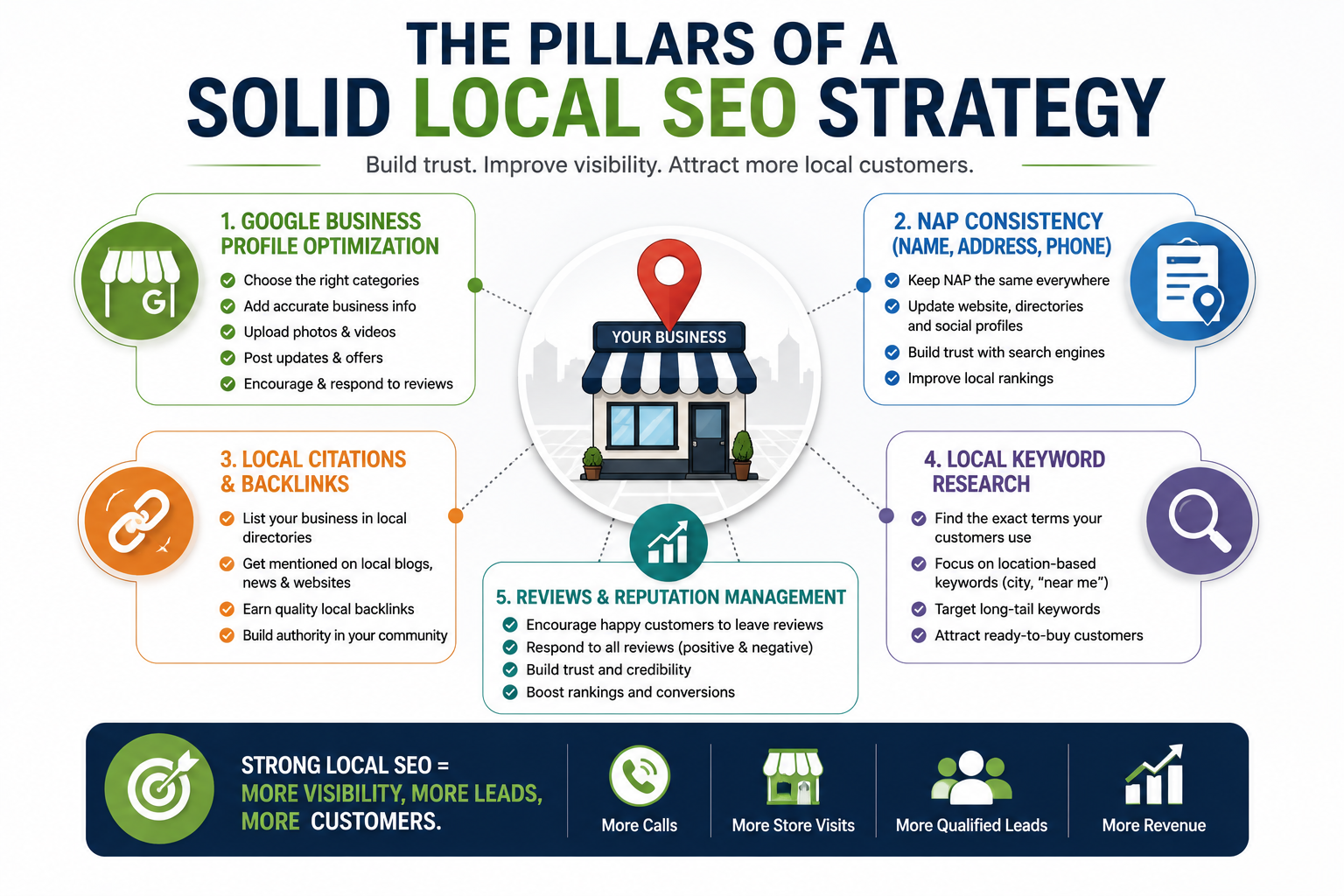
The Pillars of a Solid Local Search Strategy
To win online, you need to give search engines the exact data points they require to verify that your business is real and active. You can't just throw up a basic website and cross your fingers.
Google Business Profile Optimization
Your main listing is the anchor of your whole local presence. Proper Google Business Profile optimization is way more than just writing your name down. It means choosing the exact right business categories, uploading bright photos of your real shop, and posting weekly updates or deals. Keeping this profile updated tells the algorithm that you are open for business and ready to take on clients.
Maintaining Flawless NAP Consistency
Maintain consistency with your Name, Address and Phone number (your NAP data) everywhere on the web. Your website footer info needs to be 100% consistent with all of your pages on Yelp, the YellowPages and local directories. With a rock solid NAP consistency, search algorithms trust your data and improve your rankings.
Your next customer is already searching online. Make sure your business is the one they find first.
Building Local Citations and Backlinks
Online mentions are basically digital votes of confidence for your brand. Local citations are simply directory listings or mentions on neighborhood blogs that show your business info. When you merge these directories with quality local backlinks coming from trusted nearby websites, you basically show search engines that you’re a really embedded member of the local community.
Finding the Right Customers with Local Keyword Research
One of the most common traps that locality businesses fall into is chasing search phrases which might be far too wide. If you're running a dental practice in a local area, trying to get ranked for only the word "dentist" is such an enormous waste of your time and money. You would then be competing against multi-million dollar medical blogs for clicks that will never lead to a real patient walking through your door.
That forces you into strategic local keyword research to identify the exact geo-targeted terms your buyers are using. Make sure to pay close attention to all of the rides which refer to your city name or near me words. A lawyer, for instance, should avoid targeting generic legal expressions, they need to go for phrases like "family lawyer downtown Toronto" or "estate planning near me."
Targeting these long-tail, specific terms helps you bring in a much more qualified audience. The people typing these phrases aren't just browsing out of curiosity. They have a specific problem to solve right now and are looking for a professional close by. This changes your organic traffic from random web surfers into motivated leads who are ready to make a call.
Conclusion
However, a beautiful website is meaningless if those in your target zip code are unable to find it when they require assistance. Your digital footprint has to be as fresh and inviting as your doorstep. The small business local SEO investment is the most stable approach to get long-term exposure and true revenue growth for your brand.
Whether it is claiming your profiles or fixing the map listing and earning yourself some neighborhood links, having the basics sorted changes everything.
At Red Minstrel Marketing, we clear out the technical jargon of local search marketing so you can focus on running your business. We build practical local SEO services made to help neighborhood brands outrank the competition, rule the map view, and turn online searchers into loyal, lifetime clients.
Ready to turn more local searches into real calls, visits, and sales?
Frequently Asked Questions
What is local SEO?
Local SEO for small businesses is all about optimizing your website and online profiles to rank high in your area-specific search. That is why, at Red Minstrel Marketing, we tailor these strategies to give you the best possible opportunity that your business information will be shown in front of those potential consumers searching in the exact area when they look for it online.
How long does local SEO take?
A normal campaign usually takes anywhere from three to six months to show real ranking shifts. Cleaning up your basic profiles can give you a quick win, but moving up the map rankings takes consistent updates, steady reviews, and local citations. This time investment builds a lasting digital asset that keeps bringing in leads for years.
Can local SEO help my business rank on Google Maps?
Yes, that is the main goal of this strategy. By doing a full profile tune-up, keeping your address perfectly consistent across directories, and getting steady community feedback, search engines will naturally trust your location. This trust allows your business to claim a top spot in the map results.
How much does local SEO cost?
The final investment depends heavily on how tough your industry competition is, how many physical locations you run, and the state of your current web links. Most professional monthly management plans fit a standard commercial budget. Investing in an expert team ensures your marketing spend drives actual customer calls.
What is the difference between organic SEO and local SEO?
Organic search is the process of optimizing a website to rank for generic information queries at global or national scales, irrespective of user location. Local search optimization is different, of course, as it serves users with more geographic intent looking to connect storefronts with nearby buyers.
At the local level, campaigns can focus on map pack placements in addition to nearby directory listings and keyphrase targets like "near me," ensuring increased foot traffic.
Author Bio :
Red Minstrel Marketing, helping businesses improve their online presence through results-focused strategies. Our expertise spans SEO, website development, local marketing, social media, advertising, and AI-powered marketing solutions designed to drive visibility, qualified leads, and business growth.
Related Post